



One of the biggest advantages of plastic furniture is its low maintenance requirements — but "low maintenance" doesn't mean "no maintenance." With proper care, quality plastic stools, chairs, and tables can retain their appearance and structural integrity for 5-15 years or more. Neglect them, and you'll see fading, scratches, and eventual brittleness much sooner.
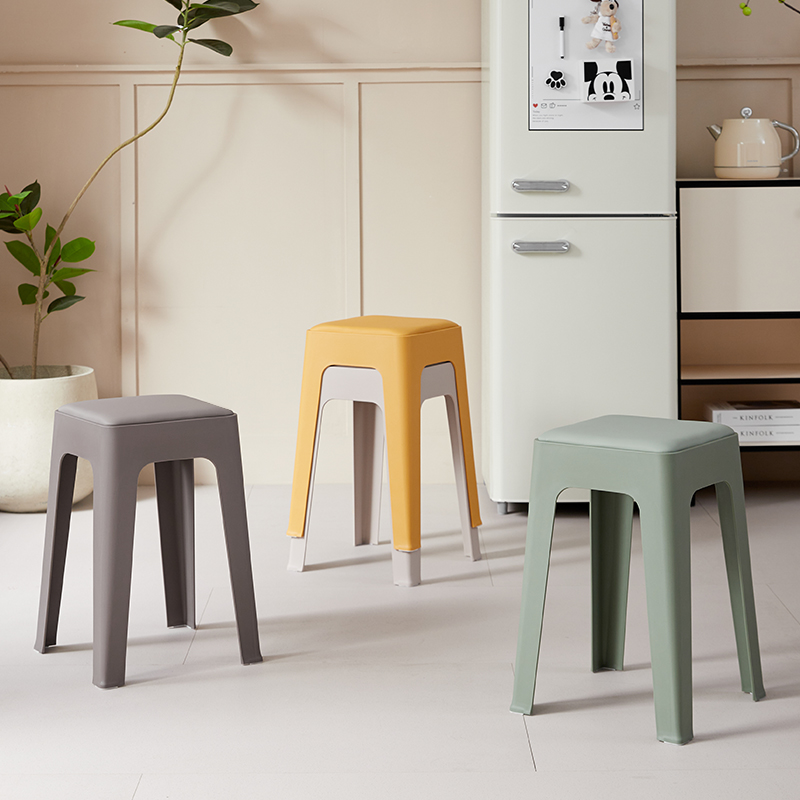
This plastic furniture care guide covers everything you need to know to keep your plastic furniture in excellent condition — whether it's in a home, restaurant, office, or outdoor space.
Routine Cleaning: What to Do Weekly
Regular cleaning is the foundation of plastic furniture maintenance. Fortunately, it's quick and simple:
Basic Cleaning Routine
Wipe down surfaces with a soft, damp cloth or sponge
Use mild soap (dish soap or mild detergent) with warm water for heavier soil
Rinse thoroughly with clean water — soap residue attracts dust
Dry with a soft cloth to prevent water spots, especially on glossy finishes
Deep Cleaning: How to Handle Stubborn Stains
Different stains require different approaches. Here's a quick reference:
| Stain Type | Cleaning Method | Precautions |
|---|---|---|
| Food & grease | Dish soap + warm water | Rinse well; avoid leaving soap residue |
| Pen marks | Rubbing alcohol on a cloth | Test on hidden area first; rinse after |
| Scuff marks | Baking soda paste or magic eraser | Use gentle pressure; avoid abrasives |
| Coffee/tea stains | Baking soda + water paste | Let sit 5 min, then rinse |
| Mold/mildew (outdoor) | Vinegar solution or diluted bleach | Rinse thoroughly; dry in sun |
| Chewing gum | Ice to harden, then scrape gently | Avoid sharp tools that scratch |
Protecting Plastic Furniture from Sun Damage
UV radiation is plastic furniture's biggest enemy — it causes fading, chalking, and eventual brittleness. Here's how to protect against sun damage:
Choose UV-stabilized furniture: The best protection happens at the factory — UV-stabilized plastic resists sun damage from the start
Use furniture covers: For outdoor furniture, covers during off-seasons significantly extend lifespan
Consider positioning: Place outdoor furniture in shaded areas where practical
Apply UV protectant spray: For non-stabilized plastic, annual UV protectant sprays offer some protection (not as effective as factory stabilization)
Caring for Cushioned Plastic Furniture
If your plastic furniture has cushions or fabric components, additional care is needed:
Vacuum cushions regularly to remove dust and crumbs
Spot clean fabric with a mild upholstery cleaner — test first on a hidden area
Rotate cushions periodically to ensure even wear
Air dry cushions thoroughly after cleaning — never machine dry foam cushions
Check for mold on outdoor cushions, especially in humid climates
Long-Term Storage Tips
When plastic furniture needs to be stored (off-season, moving, or renovation):
Clean thoroughly before storing — never store dirty furniture
Stack carefully using the designed stacking mechanism to avoid stress
Store in a dry, shaded area — avoid damp basements or direct sun
Keep away from heat sources — extreme heat can warp plastic
Cover when possible to protect from dust and light
Commercial Care Considerations
For restaurants, offices, and other commercial environments, plastic furniture maintenance takes on added importance:
Sanitization
Food service environments require regular sanitization. Plastic's non-porous surface is a major advantage — standard commercial disinfectants work without damaging the material. Avoid bleach-based cleaners on colored furniture (they can cause fading).
High-Traffic Durability
In high-use settings, inspect furniture regularly for cracks, loose parts, or structural fatigue. Early identification of problems lets you repair or replace individual units before they fail completely.
When Is It Time to Replace Rather Than Repair?
Plastic furniture rarely needs repair — but eventually, even well-cared-for furniture reaches end of life. Replace when you see:
Structural cracks that affect load capacity
Extensive fading that can't be restored
Brittleness or crumbling plastic
Permanent distortion from heat exposure
Deep scratches that trap dirt and can't be cleaned
Frequently Asked Questions
What's the best way to clean plastic furniture?
For routine cleaning, use a soft cloth with mild soap and warm water. Rinse thoroughly and dry with a soft cloth. Avoid abrasive cleaners, scouring pads, and strong solvents — these scratch and damage plastic surfaces.
How do I remove scuff marks from plastic chairs?
A baking soda paste (baking soda + water) applied gently with a soft cloth usually removes scuff marks. For stubborn marks, a melamine magic eraser works well — but use light pressure to avoid dulling the finish.
Can I use bleach to clean plastic furniture?
Diluted bleach can be used to remove mold and mildew from white plastic furniture, but avoid it on colored plastic as it can cause fading. Always rinse thoroughly afterward. For food service environments, follow local sanitation guidelines and confirm cleaner compatibility with your supplier.
How long should plastic furniture last with proper care?
Quality plastic furniture maintained properly typically lasts 5-15 years. Indoor furniture lasts longer than outdoor furniture. UV-stabilized outdoor furniture lasts significantly longer than non-stabilized plastic in sun-exposed conditions.